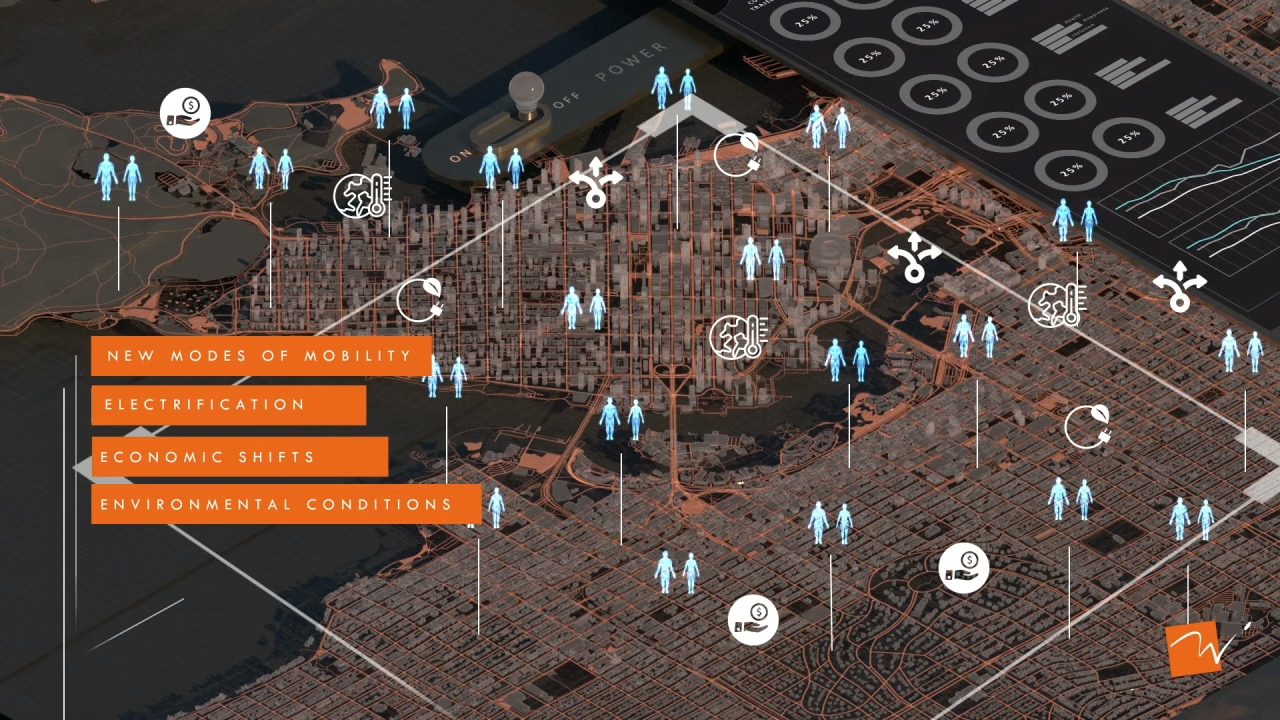

The COVID-19 pandemic, while devastating, also offered a unique opportunity for introspection and transformation. As the world hit pause, many of us reconsidered how we live our lives and what truly matters. This period of reflection has catalyzed a significant realignment, allowing us to step off the relentless hamster wheel of societal expectations and re-evaluate our priorities. Leaders take note: things are different today. But it doesn't need to be confusing: it just takes a shift in how you look at people.
For executives seeking insights on leading with purpose, this post-pandemic reality demands a fundamental shift in how we think about leadership and what motivates the people we lead.
Understanding the Shift
Traditional demographics—age, gender, income—have long been the tools we use to understand and predict human behavior. However, these metrics often fall short, particularly in a post-pandemic world where values have become the primary drivers of behavior. To truly comprehend the shifts we are witnessing, we must look beyond surface-level demographics and delve into the core values that unite us.
The Valuegraphics Project
At the Valuegraphics Project, we undertook an ambitious endeavor: to understand and map human values through data. Our research, encompassing a million surveys in 152 languages, builds on what neurologists have known all along—that shared values are the true drivers of behavior. By transforming values into measurable data, we can now map the shared values of stakeholder groups as we would any other business metric.
Three Key Areas of Change
1. Work and Career: The Great Resignation and Quiet Quitting movements clearly indicate a fundamental shift in how people view work. No longer content with traditional career paths, many seek roles aligning with their values and offering meaningful engagement. The commercial office space market, with its rising vacancies, is just one example of this broader trend.
2. Consumer Behavior: Consumers today gravitate towards brands that reflect their values. The Bud Light controversy, which stemmed from the brand's support of a trans activist and performer, illustrates the risks and rewards of values alignment. Companies must carefully consider their stakeholders' values when choosing which causes to support.
3. Social Connections: In this new values-driven world, people form deeper, more meaningful connections based on shared values. Patagonia’s micro-grants initiative is a prime example of leveraging small-group connectivity as a business strategy, fostering a sense of community and shared purpose.
Opportunities and Challenges
Leaders that understand and honor the core values of stakeholder groups will have a significant advantage in this new landscape. Everything in business is ultimately about people, and people are fundamentally driven by their values. This alignment can be a powerful tool in employee engagement, and for demand generation strategies in the post-cookie era of sales and marketing.
Fundamental Shifts Required
To thrive in this values economy, businesses must undergo at least three fundamental shifts:
- Engagement Strategies: Companies must move beyond demographics, focusing instead on values to engage and retain employees, attract customers, and build communities.
- Leadership: Leaders must prioritize values alignment within their organizations, ensuring that decisions reflect the core values of their stakeholders.
- Sales and Marketing: Sales and marketing strategies should be rooted in the values that matter most to the target audience, creating messages that resonate deeply and authentically.
In the post-pandemic world, values take center stage. By understanding and embracing this shift, leaders can navigate the new landscape with clarity and purpose, creating meaningful and impactful connections in every aspect of life.
*The data and insights this article discusses come from the Valuegraphics Database, the first statistically accurate global inventory of shared human values. The database was created from a million surveys in 152 languages across 180 countries. Valuegraphic Profiles access this data through a unique methodology and yield results that maintain a +/-3.5% level of accuracy and 95% confidence. For more information, visit www.valuegraphics.com
#leadership #keynotespeaker #values #valuesdriven #eventprofs #humancentric #data #valuegraphics