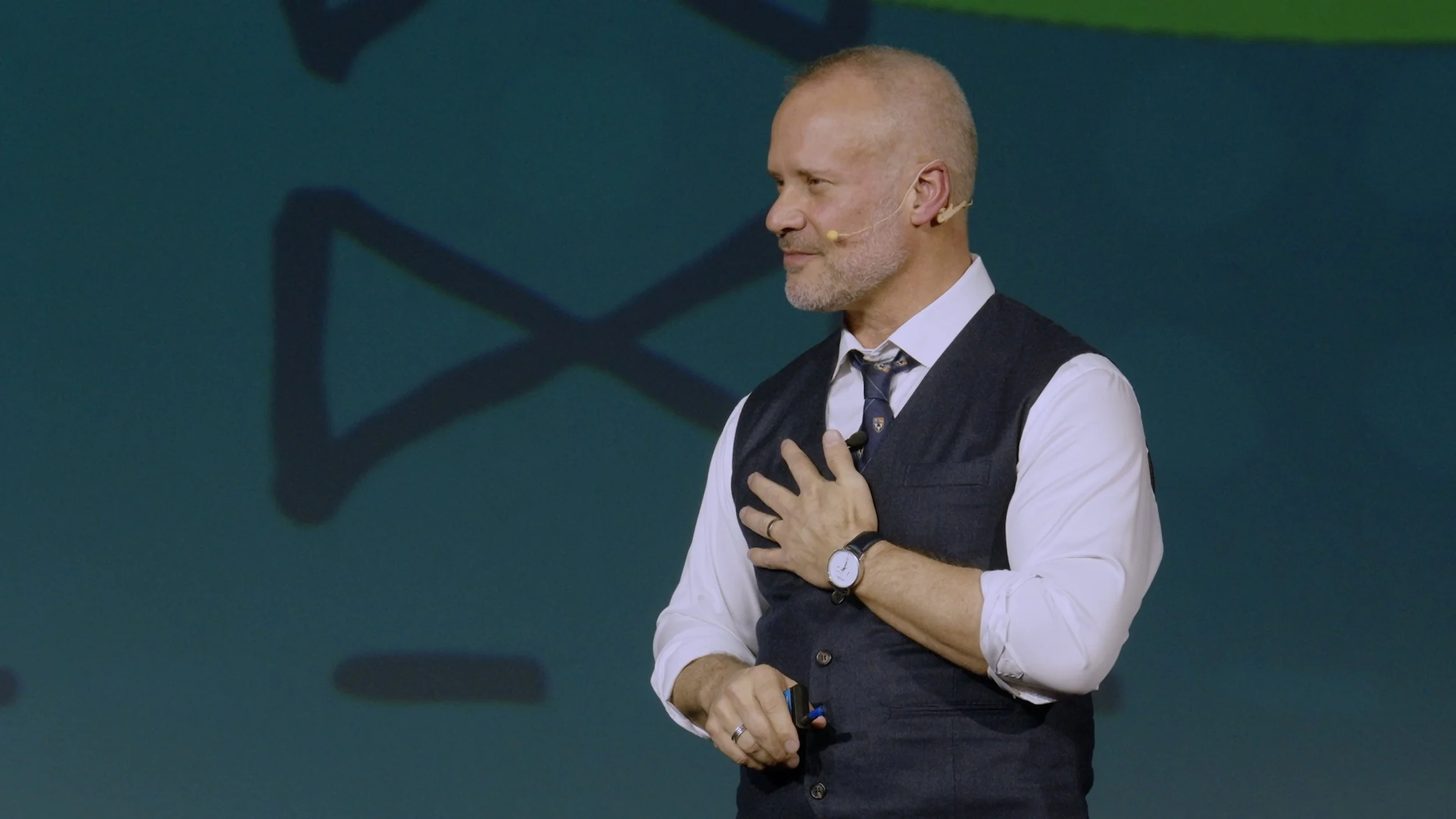

This post is based on a keynote I delivered for a national hotel chain we’ll call Pillow Mint Hotels. We’ve changed the name to respect the client relationship, but everything else is real. The data is real. The stories are real. And if you run a hotel, manage a hospitality team, or lose sleep over turnover, this is for you.
Yes, I’m being cute here, but it’s true: your best housekeeper won’t stay for the employee of the month award. Neither will your best front desk agent, your best night auditor, or your best groundskeeper. The plaque on the wall, the photo in the break room, the gift card to a restaurant they’ll never use. It’s all a nice gesture. But it won’t stop them from looking around for a better job that feels like more of a fit.
What keeps your best people isn’t a program. It’s that “fit” feeling. That gut-level sense that says, “This place gets me. These are my people. This is where I belong.”
You already know this feeling from your own life. Think about what it feels like when you walk into an event or a party or a dinner, and you want to be there. It just feels comfortable, like a place you want to stay. And then think about those events that feel the opposite. Where you walk into the party, talk to a few people, and quickly realize this isn’t where you want to be. So you say a quick hello to the host, mumble an excuse about “the kidsneed to be picked up,” and beat a hasty retreat.
That gut-level feeling was your values. When you are in situations that align with your values, with what matters most to you, you feel at home. And the opposite happens when your values are just not present in the room. That’s really what workplace culture is all about. Your workforce feels like they fit in, or they don’t, every single day. Should I stay at this job? Should I show up as the best version of myself today, or just phone it in? Is this the right place for me, or should I start looking?
The Study
For Pillow Mint Hotels, we surveyed roughly 1,800 of their workers across Canada and the United States. Every level of the organization, every department, every kind of property. We made sure the sample was fair and representative of the full workforce.
Then we compare what those surveys said to the data in the Valuegraphics database, the same billion-datapoint source we use with organizations like Google, PayPal, Amazon, Lululemon, and the UN Foundation. Built from nearly a million surveys in 152 languages across 180 countries, the methodology we use to match survey responses to the right insights is more accurate than you need for a PhD.
So when I tell you what these hotel workers care about, I’m not talking about hunches from twenty years in the industry. What I’m doing is sharing empirical, verified, statistically significant data about who these people are on the inside and what drives every decision they make.
Why This Matters More Than You Think
When you align your workplace with what your people value, what matters most to them, measurable things happen. From this specific study, we learned that:
- Loyalty will increase by 29%.
- Engagement will go up 24%.
- Trust will climb by 24%.
- And financial elasticity (their willingness to accept slightly less compensation to stay at a place that feels right) will increase by 15%.
That last number should stop you cold.
Someone else can offer your best people a 10% raise, and they’ll say no. Because what you’re giving them is worth more than money: you’re delivering on what matters most to them, what they value. You’re giving them that “I’m at the right party” feeling that says “This is my place and my people. I’m not going anywhere.”
Three Power Values
Out of the 56 statistically verified values in the Valuegraphics Database, three over-index dramatically for hospitality workers at this organization.
Loyalty, Experiences, and Self-Control.
That last one made me do a double-take and check the numbers a second time. In roughly 150 profiles we’ve built for organizations around the world, Self-Control has shown up maybe twice. It’s a unicorn value. The fact that it’s showing up here tells you something remarkable about the kind of people the hospitality industry attracts. More on that in a minute.
Here’s how you might use these three Power Values to boost trust, engagement, and loyalty with your teams.
1. Loyalty
Every value has multiple definitions; of course, they mean different things to different people. Our research surfaces exactly which meaning applies in each situation. For this study, Loyalty is about those they already know and trust.
These are people who feel a deep pull toward the humans they’ve built relationships with, on a deeply personal level. They will love a workplace where they feel that, and they will want to leave a place without it. They stay because they trust the people around them. And the longer they stay, the deeper that trust gets.
An idea: The “Got Your Back” Awards.
Once a quarter, dedicate thirty minutes of a team meeting to one simple question: Who had your back? Someone gets up and says, “Ryan showed up thirty minutes early because he knew I’d had a brutal shift the night before. He had my stuff ready. He made my morning easier. He had my back.” Everybody hears it, everybody sees it, and Ryan gets recognized with a moment that says, “We see you. We see the Loyalty you’re bringing to the table.”
It doesn’t need a budget. Maybe the GYB Award winners get a free coffee coupon. Or an extra hour at lunch. Or whatever. It doesn’t need an executive sponsor or a six-month rollout plan. It just needs 30 minutes and a willingness to let people point out the deeply appreciated acts of loyalty that happen every day and usually go unnoticed.
2. Experiences
What it means to them: participating in and being recognized for meaningful life events.
A new grandchild, marriage, birthday, promotion. The stuff that makes a life a life. These folks make every decision based on how it impacts these milestones.
These aren’t people who compartmentalize work life from personal life: they want to bring their whole selves to work, and they want the organization to notice.
An idea: Whole Person Milestone Recognition.
At your next team meeting, when you know Sally just become a grandmother, say so. “Sally’s got a new grandkid. Let’s give Sally a round of applause and let her tell us about it if she wants to.”
During this keynote, one audience member made a point that stuck with me. He said they always ask new hires how they want to be recognized. Some people love the public spotlight, and others would rather get a simple email. Now that I’m 60 years old, I fully understand if someone doesn’t want “grandpa!” shouted across the lobby. The value of Experiences is universal for this group, but the delivery can be personal. It’s a great point, and I’m taking it with me to my next engagement.
Another team member pointed out something I hadn’t considered. Being part of the housekeeping team during Housekeeping Week, being celebrated for an under-thanked role, that in itself becomes a meaningful life event. The celebration creates the values alignment. And why isn’t there a Front Desk Week? Groundskeeping Week? Maintenance Week? The point is, you don’t always have to wait for something to happen in someone’s personal life. Sometimes, the act of celebrating work itself is the meaningful moment.
3. Self-Control
What it means to them: choosing to do what’s right, even when it’s the hard thing.
I told this room of Pillow Mint Hotel leaders that they should feel lucky to have this value show up for their team. And I meant it: in 150 profiles, I’ve seen Self-Control show up maybe twice. This is a workforce that wakes up every morning and chooses the right path, even if it’s the harder path. What an amazing group of humans to work with!
An idea: Standards and Freedoms.
This one will make some senior leaders nervous. But hear me out.
What if I drew a clear line between “these things are non-negotiable” and “these things are your call”? On one side, the Standards. The stuff that has to happen this way for these reasons: the rules of engagement. But on the other side, the Freedoms, which are the situations where your people have the authority and latitude to make a judgment call. Let them break a small rule because it’s the right thing to do in that moment: it’s how they live their life, and denying this will make them feel awful. And given how high they index on this value of Self-Control, I bet you very few will abuse this power. I bet none will, in fact. Because that wouldn’t be the right thing to do.
One team was already doing a version of this: a $50 budget for front-line staff to create little celebration moments for guests. Birthdays, anniversaries, small gestures that cost almost nothing but create stories people tell for years.
Another person in the room took it further. What if it wasn’t just the front desk? Let the groundskeeper who saw a guest having a terrible morning hand them a coffee coupon and say, “Looks like you’re having a rough day. This one is on us.” That costs two dollars and earns you a story that guest will tell for the rest of their life.
The Bigger Picture
None of these ideas sounds like rocket science. Be loyal. Recognize people as humans. Trust your team to do the right thing. You’ve said all of this before in your leadership meetings.
But here’s what’s different now: the guesswork is gone. This is data that’s more accurate than you need for a PhD. You don’t have to wonder if it’s worth the effort to change how you onboard, how you run team meetings, how you train, how you celebrate. Because it is. These three values will boost loyalty, engagement, trust, and financial elasticity in the direction that every organization is looking for.
Write them on a sticky note. Loyalty. Experiences. Self-Control. Tape it to whatever surface you stare at most. Use them as a filter for every decision that involves your people. When you’re sorting priorities, put the ones that connect to these three values at the top. When you’re selecting between options, pick the one that delivers more of what your people are already listening to. When you’re sharing a new policy or initiative, frame it through these values. Show your team how it connects to what they care about deep in their hearts, and they will get the message loud and clear, because it already matters to them.
Want The Toolkit?
We built a toolkit to go with this study that goes deeper than what fits in a keynote or a blog post. It’s stuffed with practical applications that any hospitality organization can start using right now to engage their people, reduce churn, and build the kind of culture that attracts the right workers and keeps them.
If you want it, reach out to me directly. I’ll send it over.
And remember: if you know what people value, you can change what happens next.
Download free tools, data, and reports at www.davidallisoninc.com/resources
Want to know What Matters Most to the people you need to inspire?
Download free guides and resources.
Find out why people call David “The Values Guy.”
Search the blog library for ways to put values to work for you.
.webp)