.webp)

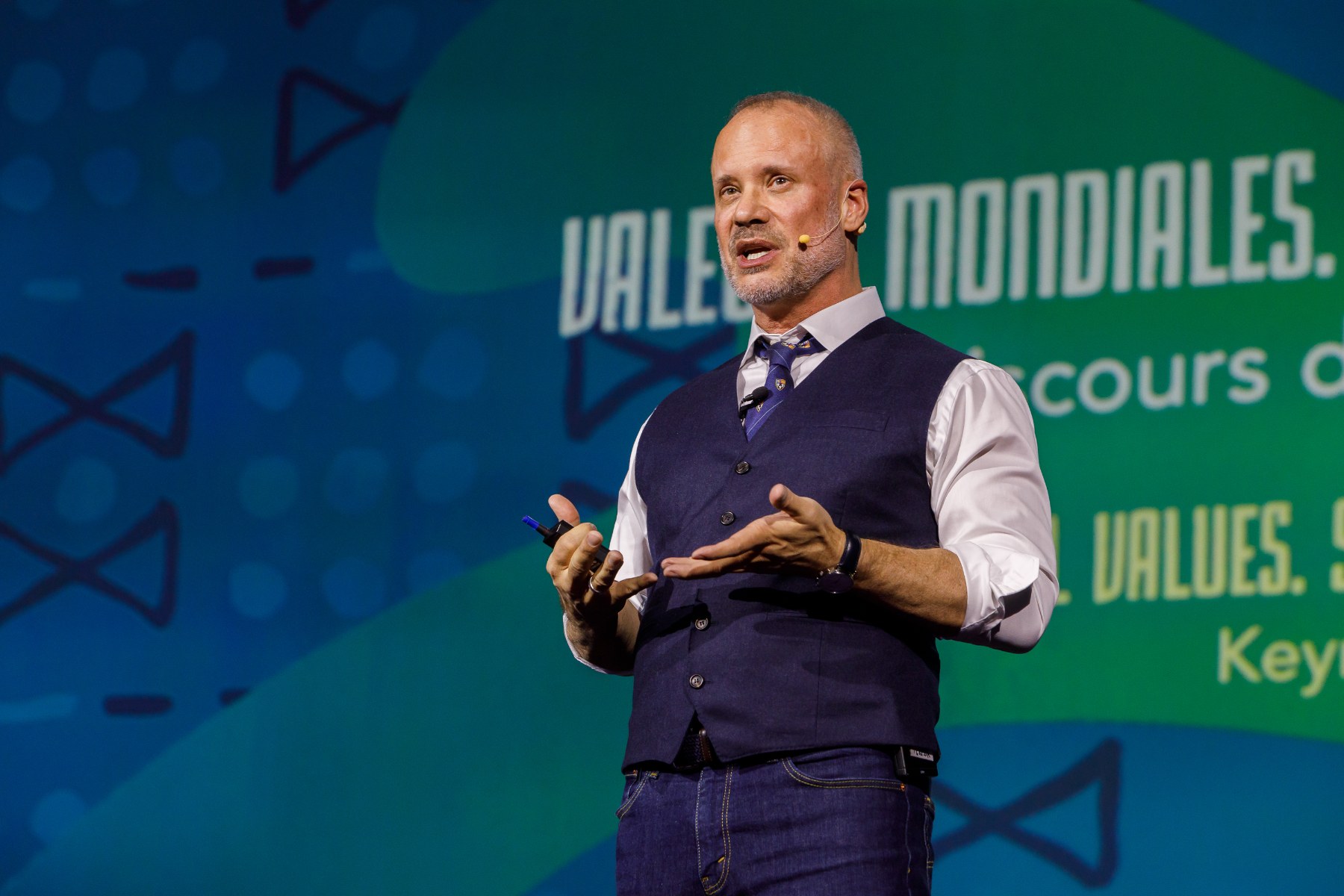
Recently, David Allison spoke for the IFEBP at EVOLVE, the Benefits and Workforce Strategies Summit in Calgary. Using hundreds of millions of datapoints, he identified the shared values of people who chose their jobs largely because of the pensions and benefits package. He wrote this article based on those research findings.
As HR, pensions, and benefits leaders, understanding what truly motivates your workforce is crucial. At the recent EVOLVE Summit, I had the opportunity to share insights from a groundbreaking valuegraphic study that pinpointed the shared values — The Power Values — of individuals who choose their jobs at least in part based on their pensions and benefits. These values can help you engage, inspire, and retain people like never before.
We identified these Power Values using the Valuegraphics Database,* plus an extensive survey process and rigorous statistical analysis. Why focus on values? Because values drive everything people do, including where they work, live, and how they lead their lives. Let's dive into these three Power Values and how you can apply them in your organization.
1. Financial Security: Planning for the Future
What it means: For these people, everything they do 24/7/65 is measured against how it will impact the value of Financial Security. And the data tells us that this is specifically about long-term stability. Long-term is the magic word here: it's not just about having a steady paycheck, it's about feeling secure about the future.
Idea to use this insight: Why not offer a holistic Retirement Coaching Program? These programs could offer personalized guidance to employees about managing retirement savings, investment strategies, and income planning, but also about all the other things that retirement planning entails. Will they sell their home and move? What will they do with their time? How can they prepare from a health and wellness perspective?
Real-life scenario: Imagine an employee named Sarah, who is 45 and worried about her retirement savings. With a Retirement Coaching Program, she gets tailored advice on how to adjust her investment strategies to ensure she feels more secure about her future. She might also be interested in exploring a second university degree to embark on a new career for the next chapter of her life, or be keen to see other parts of the world where she might want to retire. Her coach can help her with planning and resources to make sure that the transition to retirement will be smooth and stable, and aligned with her values. This kind of support can significantly boost her engagement and loyalty to your company.
2. Personal Responsibility: Taking Charge
What it means: Employees driven by Personal Responsibility are motivated by anything that helps them get things done, specifically because it makes them feel stable and accomplished. See how stability shows up again in the specific attributes of this value?
Idea to use this insight: Could you create a Milestones Achievement program? This could be a system that rewards employees for completing specific pension-related tasks, like increasing their contribution rate or attending financial planning workshops. But you could think outside the financial box and include milestones related to other aspects of their work life, like leading a special project team or organizing an event. Giving these folks an opportunity to feel the rush of forward momentum that comes from ticking things off the list will be hugely inspiring and will boost engagement and retention.
Real-life scenario: Think of John, who thrives on setting and achieving goals. He won one of the Milestone Achievement Awards this year because he volunteered to lead the integration of a new AI technology into the workflow, mentored three new employees through their first months at the company, volunteered on an industry task force, and met his own pension top-up goals. With the Milestones program, John’s sense of pride and accomplishment grows every time he completes a task, pension-related or otherwise, and culminates in recognition through an award. This not only keeps him engaged but also encourages him to actively plan for his future.
3. Balance: A Harmonious Life
What it means: The shared value of Balance, for the folks in our study, is about integrating all aspects of life harmoniously, which contributes to long-term stability. And there it is again–stability is a recurring theme in all three of the values we’ve identified.
Idea to use this insight: Personal Development Grants would be hugely motivating and inspiring. These grants could support activities that help employees achieve a balanced life, like courses in financial planning, stress management, or hobbies and interests. These could be set up as a matching-funds program or as a flat fee per year that can be applied as the employee wishes. However you do it, investing in their personal growth helps employees feel balanced and stable, and will once again boost engagement and retention metrics.
Real-life scenario: Picture Emily, who uses her Personal Development Grants to explore a wide variety of interests. One year, she tries painting, and while it helps her relax, it’s not quite what she thought it would be. Then she tries a graphic design course, and she falls in love with what she can create. She asks to move to the marketing department and use her newfound passion at work every day. She keeps using her Personal Development Grants to take more design courses and is happier at work than she ever remembers being. Giving employees an opportunity to explore what they are passionate about aligns with the value of Balance and translates to higher productivity and satisfaction at work.
Creating Your Own Ideas
The examples provided are just thought-starters and may not be practical to implement in your company. Use these ideas to create strategies that are more applicable to your own situation and align with the shared values of Financial Security, Personal Responsibility, and Balance. When you do, they will resonate deeply with your employees.
The Guesswork is Gone
While these ideas may not seem revolutionary, what is entirely new is that the guesswork is gone. You don’t need to wonder if these are the right buttons to push, because they are derived from data. To prepare for each keynote I deliver, my team at The Valuegraphics Research Company conducts extensive surveys and uses rigorous statistical analysis to identify the Power Values for any group of people. These values are the key to engaging people because they drive every decision people make. By aligning your strategies with these values, you will create a more cohesive and satisfied team.
Values are the answer. Let’s put them to work.
#values #keynotespeaker #workplacecluture #employeeengagement #retention #valuesdriven #valuegraphics #humancentric #data #culture #engagement
Want to know What Matters Most to the people you need to inspire?
Download free guides and resources.
Find out why people call David “The Values Guy.”
Search the blog library for ways to put values to work for you.