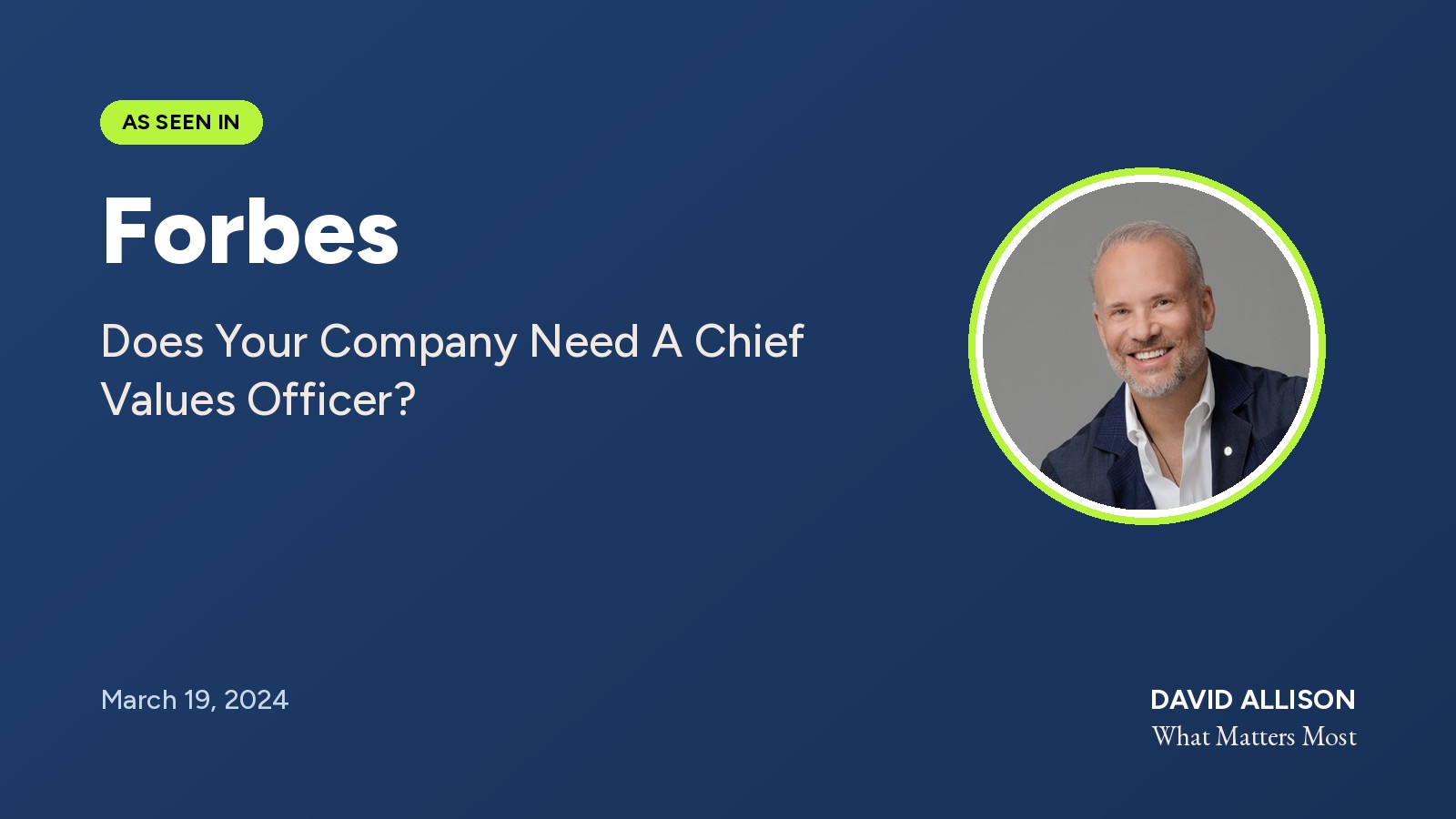

In March 2024, William Arruda interviewed me for his Forbes column, and the headline asked whether your company needs a Chief Values Officer. I think it does. Business school teaches that a company exists to create value for shareholders, and shareholders do matter. So do employees, customers, vendors and partners, and the communities a company affects, which makes five groups that every big decision touches. Leaders have tried to balance all five before and usually given up, because nobody could see where those groups agreed. Values data shows you where they overlap.
The example I gave William was a developer that builds apartment towers and decided to run its own property management instead of hiring outside firms, because, let's be honest, nobody loves their property manager. We measured the values of people who live in those kinds of buildings, and the company rebuilt everything around them, including how quickly repairs get done and what the staff wear. They launched in the middle of COVID, and tenants started sending them unsolicited thank-you notes. Who writes a thank-you note to their property manager? In the interview I described the Chief Values Officer's job as making sure the values of all five groups are part of every decision, including the financial ones.
You can read the original at Forbes.
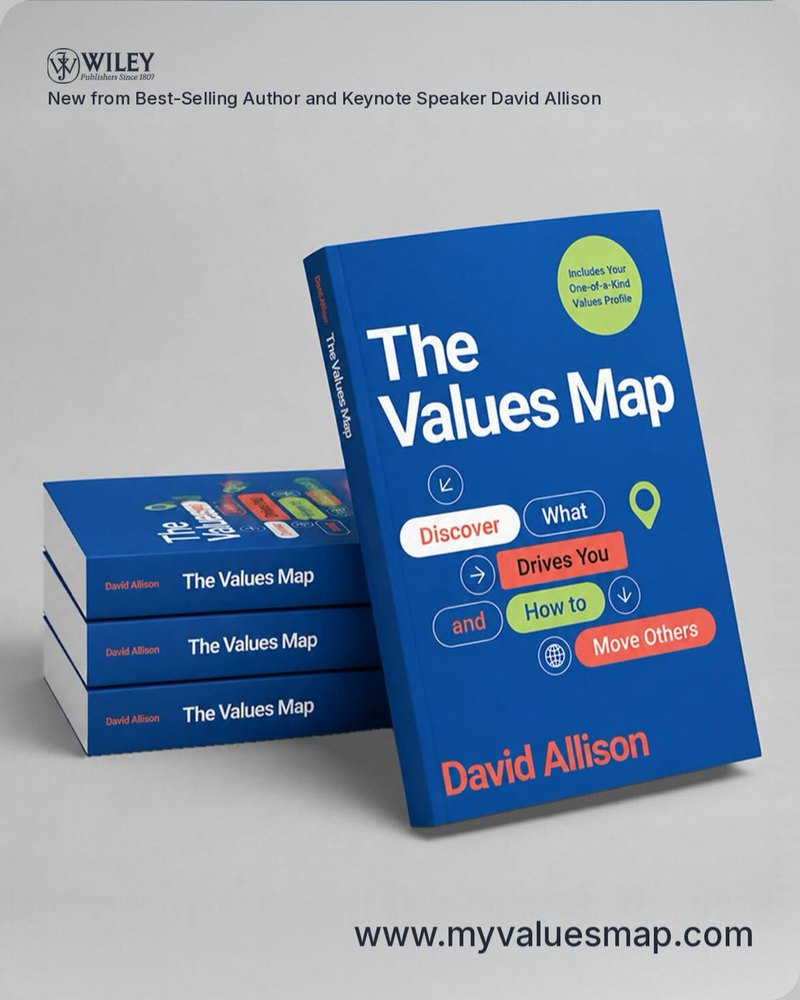
My new book walks you through all kinds of ways to identify (and use) your values, and it's available for pre-order now. It's called The Values Map, and I would be very grateful if you pre-ordered a copy. My publisher would love it too. ❤️
Everything gets easier when you know What Matters Most.
.webp)