

The apocalypse narrative is exhausting. You know the one: AI takes all the jobs, humans become obsolete, and everyone retrains as a prompt engineer or starves. It makes for good headlines. It's also not what the data shows.
Before the next wave of dread washes over you, try this: The Human Advantage Audit. It's a list of five questions that reveal which parts of your work are genuinely irreplaceable by AI, not because the technology can't do them yet, but because people won't want AI to do them. Ever. There's a difference, and it matters.
The Fear Factory
Spend five minutes on LinkedIn, and you'll see the same movie playing on repeat. AI is coming for your job. AI is coming for your industry. AI is coming for your children's future careers.
A Pew Research report found that 19% of American workers are in jobs with "high exposure" to AI. The framing of that stat is usually ominous. Nearly one in five jobs is at risk!
But exposure isn't a replacement. And here's what the doom prophets consistently miss: Humans don't just want things done. They want things done by humans.
What People Actually Value (It's Not Efficiency)
I've spent years working with the Valuegraphics Database, which tracks what matters to people across a million surveys worldwide. When we look at what humans value in work—not what economists predict, not what technologists envision, but what actual people in actual jobs care about—we see patterns that AI simply cannot replicate.
Relationships rank 2nd out of 56 values globally. People want a connection with other people. They want to be known. They want to know others. AI can simulate conversation, but it cannot provide the genuine human connection that people crave in their working lives.
Trustworthiness ranks 19th. There's something deeply important about knowing a human being is on the other end of a decision, an opinion, or a recommendation. Someone who can be held accountable. Someone who has skin in the game.
Belonging ranks 4th. People want to be part of something. A team, a culture, a shared mission. AI doesn't create belonging. People create belonging with other people.
These values aren't going away. If anything, they're becoming more important as everything else gets automated.
The Work That Can't Be Replaced
Here's what the values data tells us about the future of human work.
Work that creates Belonging will always be human.
No one wants to belong to a team of bots. Community building, culture creation, and team cohesion require humans who see each other as humans. Organizations will always need people who make other people feel like they're part of something.
Work that requires Trustworthiness will remain human.
People want human judgment for decisions that matter. Medical diagnoses, legal counsel, and financial advice. AI might inform these decisions, but people want a human to make them. Not because humans are more accurate (sometimes they're not), but because humans can be trusted in a way algorithms cannot.
Work that deepens Relationships will stay human.
Sales—that's really about relationships. Service that's really about care. Leadership that's really about connection. The transactional parts can be automated. The relational parts can't.
Work that touches family will always need humans.
Family ranks 1st globally. It's the most important value on earth. Anything that involves people's children, parents, loved ones, education, healthcare, eldercare, and family services requires a human touch that no efficiency argument can override.
The Human Advantage Audit
Here are the five questions to ask about your own work:
1. Does my work create a sense of belonging for others? (Teams, communities, cultures)
2. Does my work require someone to be held personally accountable? (Trustworthiness)
3. Does my work involve building or maintaining relationships over time?
4. Does my work affect people's family members or family decisions?
5. Would people feel uncomfortable if they knew only AI was involved?
If you answered yes to any of these, that part of your work is more secure than the headlines suggest.
This doesn't mean AI won't change how you work. It will. But "change" and "replace" are different verbs.
The Real Transformation Coming
Here's what I actually see happening, based on working with organizations across industries.
The work that survives isn't the most complex or the most skilled. It's the most human work. The work where people want a person.
Some jobs will disappear. The ones that were only about processing information with no human relationship involved. Those were already soul-deadening for the people doing them.
What emerges is work that's more relational, more meaningful, and frankly more interesting. The tedious parts are automated. The human parts intensify.
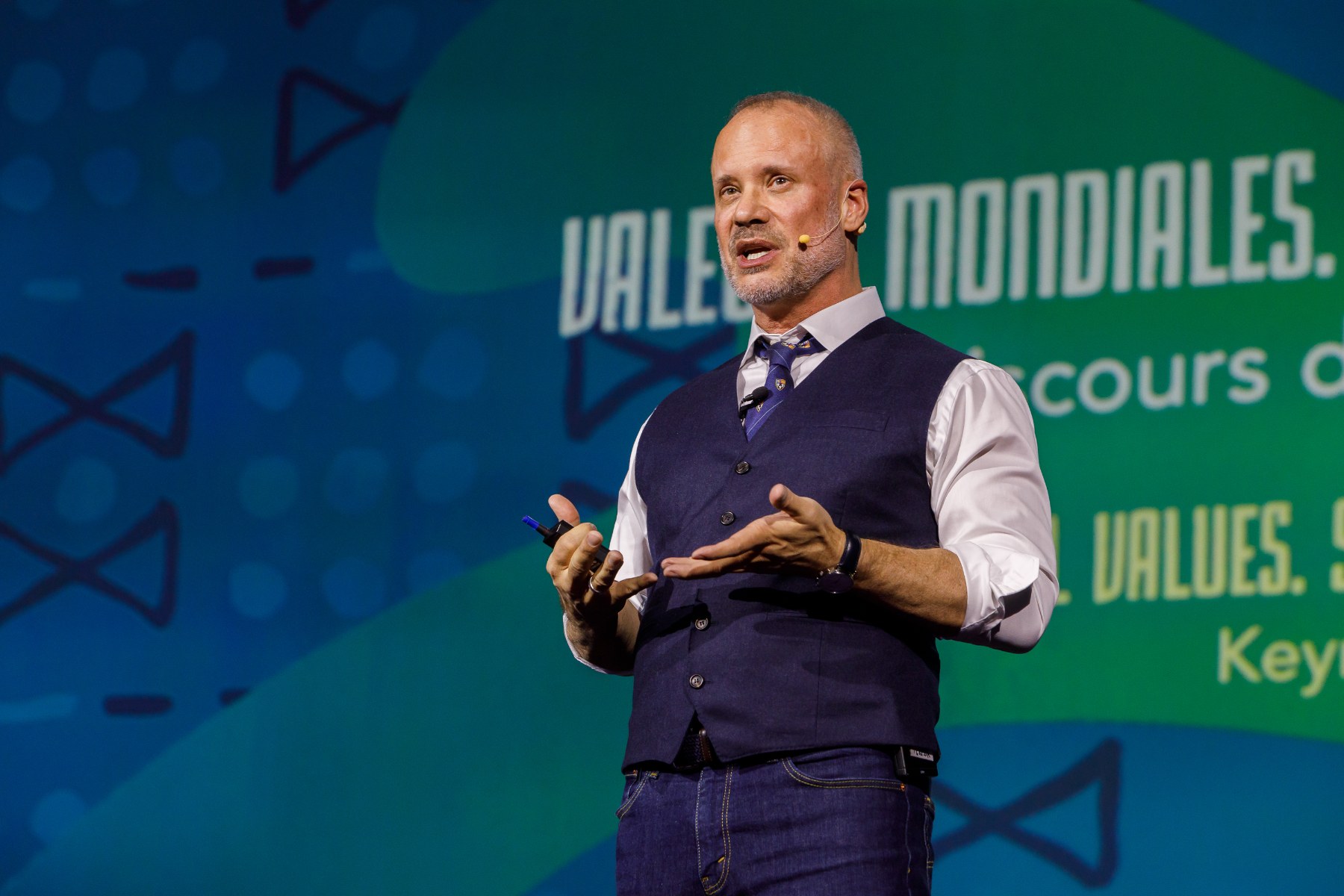
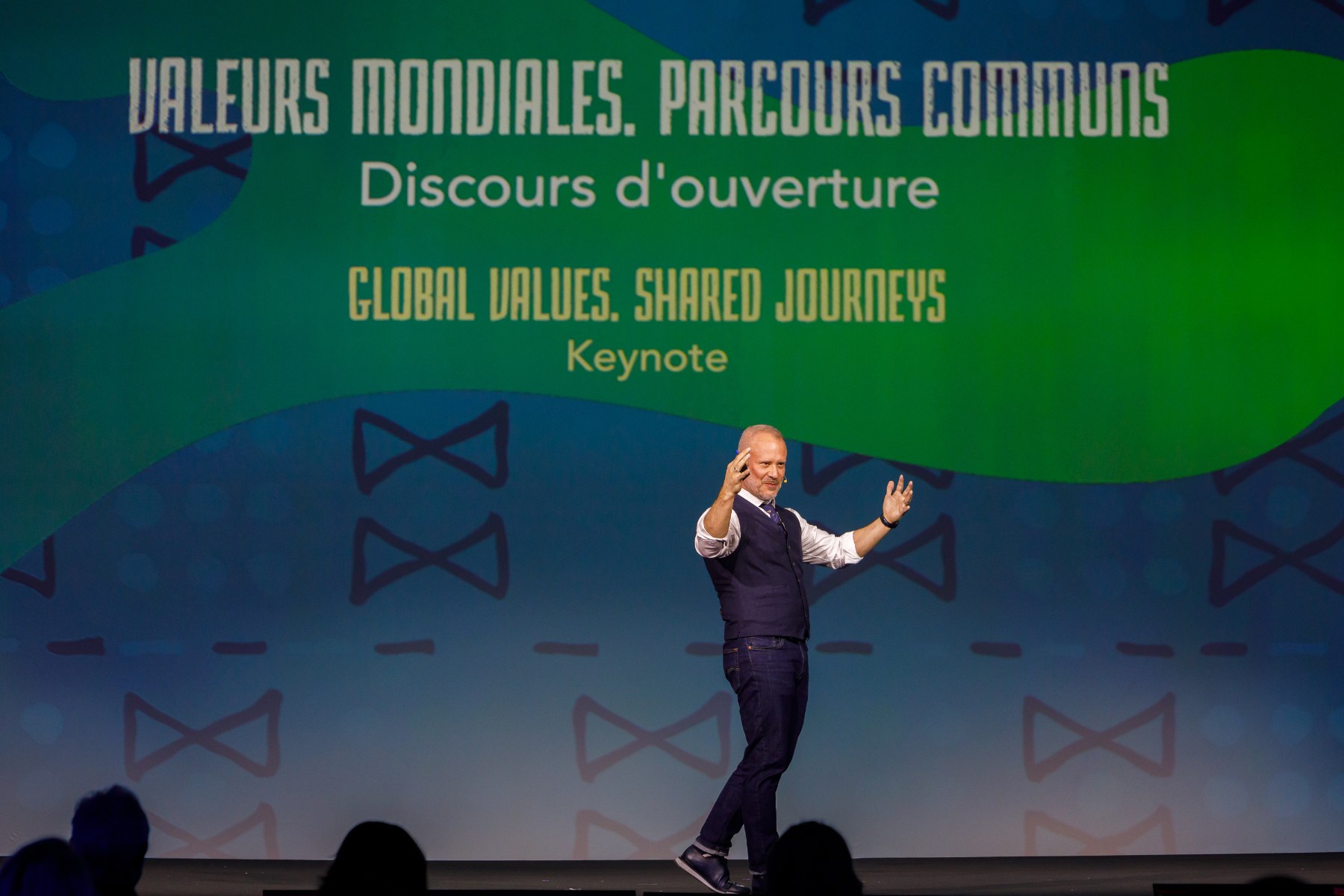
I've shared this perspective with audiences who walked in terrified about AI and walked out feeling something closer to relief. Not because I convinced them the robots aren't coming. Because I showed them which parts of being human can't be outsourced.
The data is clear. People value people. They always have. They always will.
That's not a prediction about technology. It's an observation about humanity.
And it's the reason the apocalypse narrative is wrong.
Remember: if you know what people value, you can change what happens next.
Download free tools, data, and reports at www.davidallisoninc.com/resources
Want to know What Matters Most to the people you need to inspire?
Download free guides and resources.
Find out why people call David “The Values Guy.”
Search the blog library for ways to put values to work for you.