

Employee benefits and pension plans are essential to providing security and stability for millions of people. But ensuring plan members feel truly connected and engaged with their benefits requires more than just financial expertise—it requires an understanding of what matters most to them.
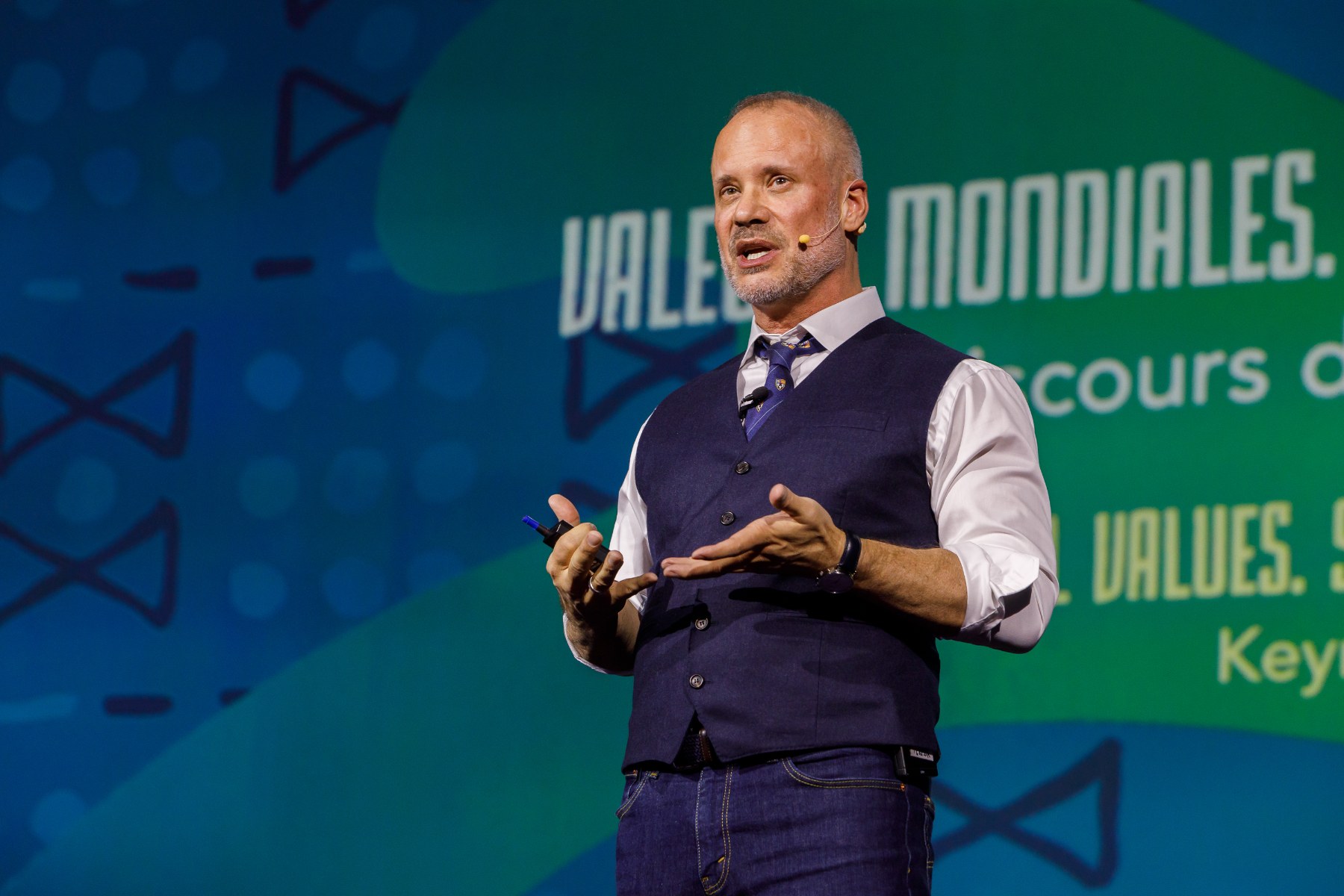
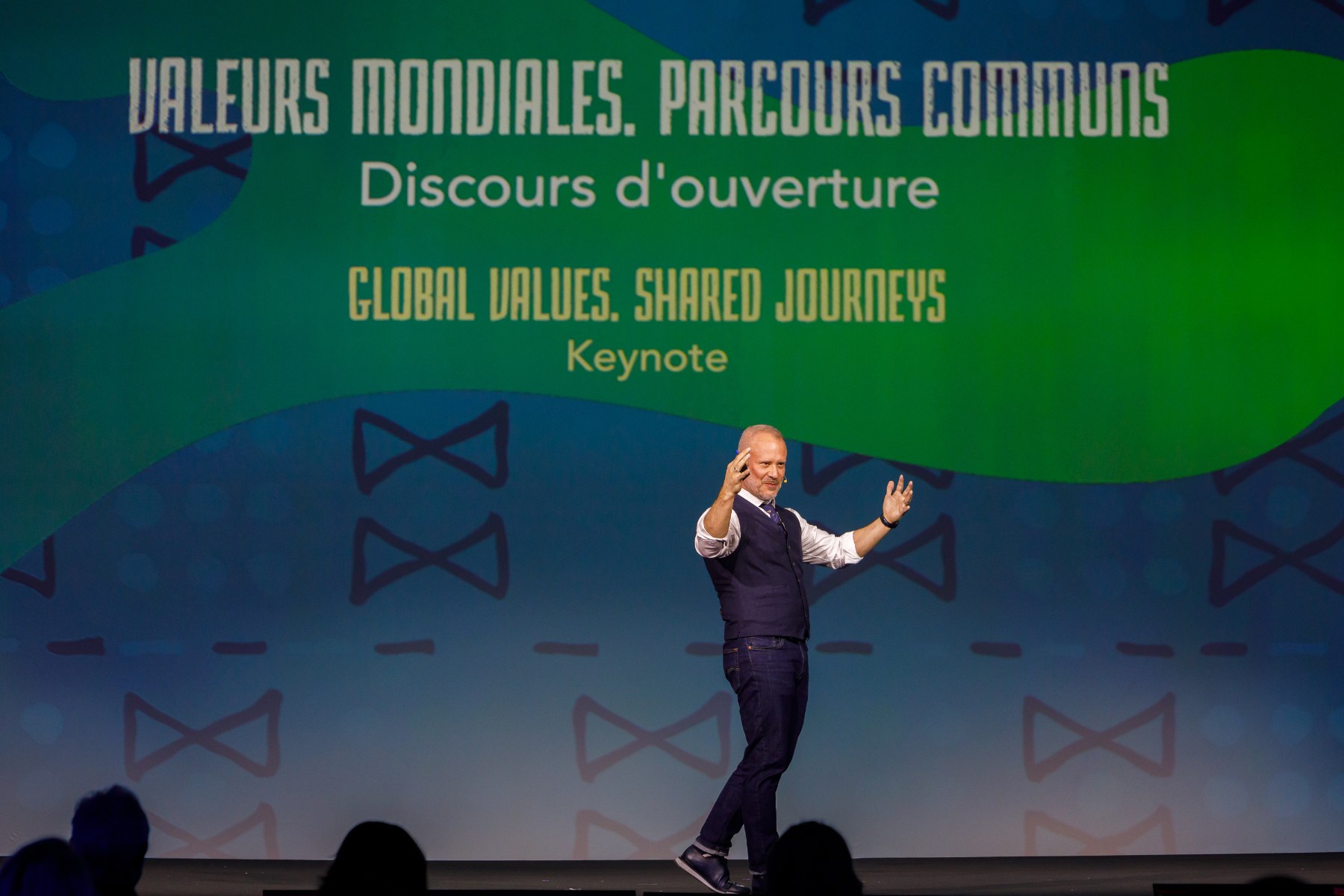
At the IFEBP (International Foundation of Employee Benefit Plans) conference in San Antonio, I presented findings from a Valuegraphics study designed to uncover the shared values of plan members. Based on nearly a million surveys worldwide, this research identified three Power Values that can revolutionize how trustees design and communicate benefit plans: Financial Security, Personal Responsibility, and Positive Environments.
Here’s how trustees can align their decisions with these values to build trust, foster engagement, and deliver plans that resonate deeply with plan members.
Total rewards professionals and HR leaders seeking to design benefits that employees actually want rather than what we assume they want, need to start with values.
1. Financial Security
What It Means: For plan members, Financial Security means ensuring long-term stability and protecting their future.
How to Use It: Trustees can demonstrate their commitment to Financial Security by proactively addressing potential challenges, like market volatility or economic downturns. Develop contingency plans and share these strategies with members to show that their assets are safeguarded. Transparency in decision-making reinforces trust and reassures members that their financial future is in capable hands.
What to Communicate: Use member-facing materials, like newsletters or updates, to explain the steps being taken to preserve stability. Highlight how every decision prioritizes their financial well-being, reinforcing confidence in the trustees’ dedication to long-term security.
2. Personal Responsibility
What It Means: Plan members value action, accountability, and shared responsibility in maintaining stability and success.
How to Use It:Empower plan members to play an active role in their benefits through collaborative initiatives. For instance, establish a member ambassador program where selected members act as liaisons between trustees and the broader group. These ambassadors can communicate updates in relatable terms, gather feedback, and share common concerns, fostering a sense of shared accountability.
What to Communicate: Highlight how trustees and members work together to shape the future of the plan. By emphasizing collaboration and mutual responsibility, trustees can build a stronger sense of ownership and engagement among plan members.
3. Positive Environments
What It Means: Plan members want to see the positive impacts of their contributions, beyond financial returns.
How to Use It: Share stories that illustrate the broader benefits of plan investments. Highlight how these investments create jobs, support innovative technologies, and make a difference in communities. By showcasing these tangible outcomes, trustees can create a sense of pride and positivity among members.
What to Communicate: Develop a recurring communication series that spotlights the real-world impact of the plan’s investments. Show how members’ contributions are creating meaningful change, reinforcing their pride in being part of the plan.
Why Shared Values Matter
The Power Values of Financial Security, Personal Responsibility, and Positive Environments aren’t arbitrary—they’re rooted in rigorous research into what plan members care about most. By aligning benefit plans with these values, trustees can build deeper connections and foster greater trust and satisfaction.
These insights from the Valuegraphics study highlight the importance of tailoring strategies to reflect the motivations of plan members. When decisions align with shared values, they don’t just meet expectations—they inspire loyalty and engagement.
The Future of Benefit Plans
Trustees have an opportunity to go beyond the traditional role of managing funds and create plans that resonate on a personal level. By harnessing shared values, they can build benefit plans that deliver more than financial returns—they create meaningful, lasting connections with plan members.
Values are the answer. Let’s use them to revolutionize benefit plans and make a difference for everyone involved.
#values #keynotespeaker #employebenefit #benefitplans #trustees #engagement #valuesdriven #valuegraphics #humancentric #data